Trainer Size Guide UK: How to Get the Right Fit First Time
UK, US and EU trainer sizes explained - how to convert between them, measure your feet properly, and pick the right size per brand.
 By Sneaker Pingz TeamPublished 22 Jan 2025•Updated 11 Dec 2025•5 min read
Table of Contents
Quick Answer
UK, US and EU trainer sizes all differ - UK runs one below US men's, and EU runs about 33 numbers above UK. The reliable fix is measuring your foot in centimetres and using each brand's official size chart, since brands fit differently. Our tools page has the general conversion charts, and the golden rule is checking the CM measurement over the letter size.
Why trainer sizes are so confusing
This page contains affiliate links. We may earn a commission at no extra cost to you.
Trainer sizes are a mess - a UK 9 is a US 10 and an EU 43-ish, and none of the scales quite line up neatly. Worse, brands fit differently from each other, so even within one scale the same size can feel different between Nike, adidas and New Balance. Getting it right first time matters because returning is a faff and buying two sizes to try costs money upfront.
The good news: there is a simple way through it - measure your feet in centimetres and treat the CM measurement as your true size, then use each brand's official chart. That cuts through all the confusion.
UK, US and EU sizes explained
The three scales you will meet: UK sizes are the home standard. US sizes run one number bigger for men (UK 9 = US 10) and about one and a half bigger for women (UK 6 = US 7.5 women's). EU sizes run about 33 above UK (UK 9 = roughly EU 43). The confusion comes because listings mix them - and because some brands fit their own way within them.
The size charts on our tools page give the general conversions for men, women and kids. But the single most useful rule: centimetres are universal, so your foot's CM measurement is the constant to check against every brand's chart.
How to measure your feet properly
- Measure in the evening - feet swell through the day and are biggest at night.
- Stand on a piece of paper in socks you will actually wear with the trainers.
- Trace both feet - they are usually slightly different sizes; fit to the bigger one.
- Measure heel to longest toe in centimetres.
- Compare that CM measurement against the brand's official size chart.
That CM number is your real size. Every brand publishes a chart matching CM to their UK/US/EU sizes, and checking it takes thirty seconds - far more reliable than assuming your usual size transfers.
How the big brands fit
Brands fit differently enough to matter. Nike tends to run slightly small and narrow - many people go up half a size. adidas runs true to size but narrow through the midfoot on some models. New Balance runs true to size and offers wide fits on many models. ASICS runs true to size with a snug performance fit. Converse runs big - most people size down. Puma runs true to size but slim. These are general rules; individual models vary within each brand.
For model-specific advice, our Air Force 1 sizing guide covers the most-asked-about trainer, the women's AF1 guide covers women's fit, and the Puma size chart goes deep on that brand.
Live deals - check your size
Live prices from UK retailer feeds. We may earn a commission when you buy through these links.

Nike
Nike Total 90 SPMen's Trainers
BSTN
£35.99£99.99
Save £64.00
+ £5.99 delivery
View Deal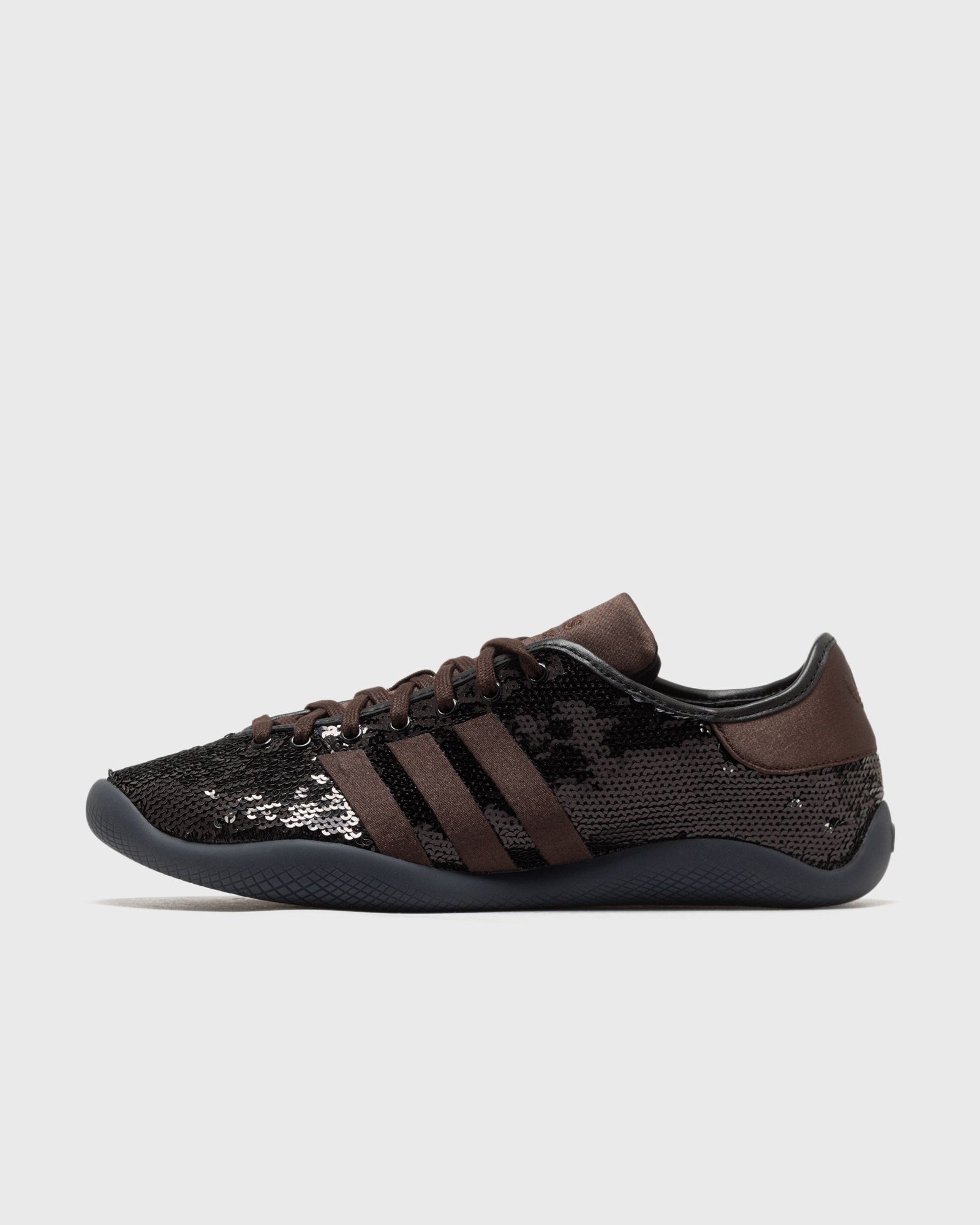
Adidas
Adidas X Wales Bonner Karintha SequinWomen's Trainers
BSTN
£111.99£319.99
Save £208.00
Free delivery
View Deal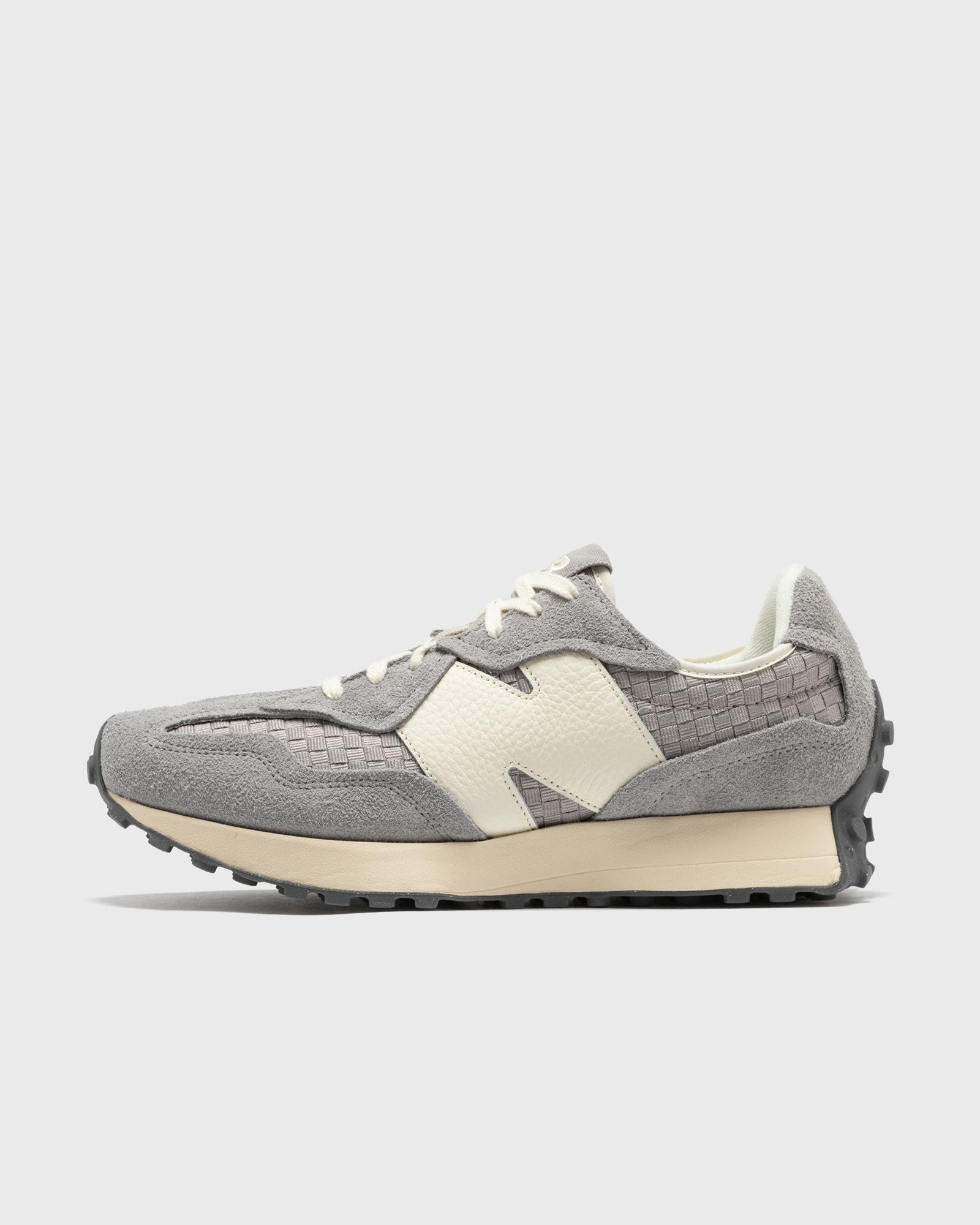
New Balance
New Balance 327Men's Trainers
BSTN
£47.99£119.99
Save £72.00
Free delivery
View Deal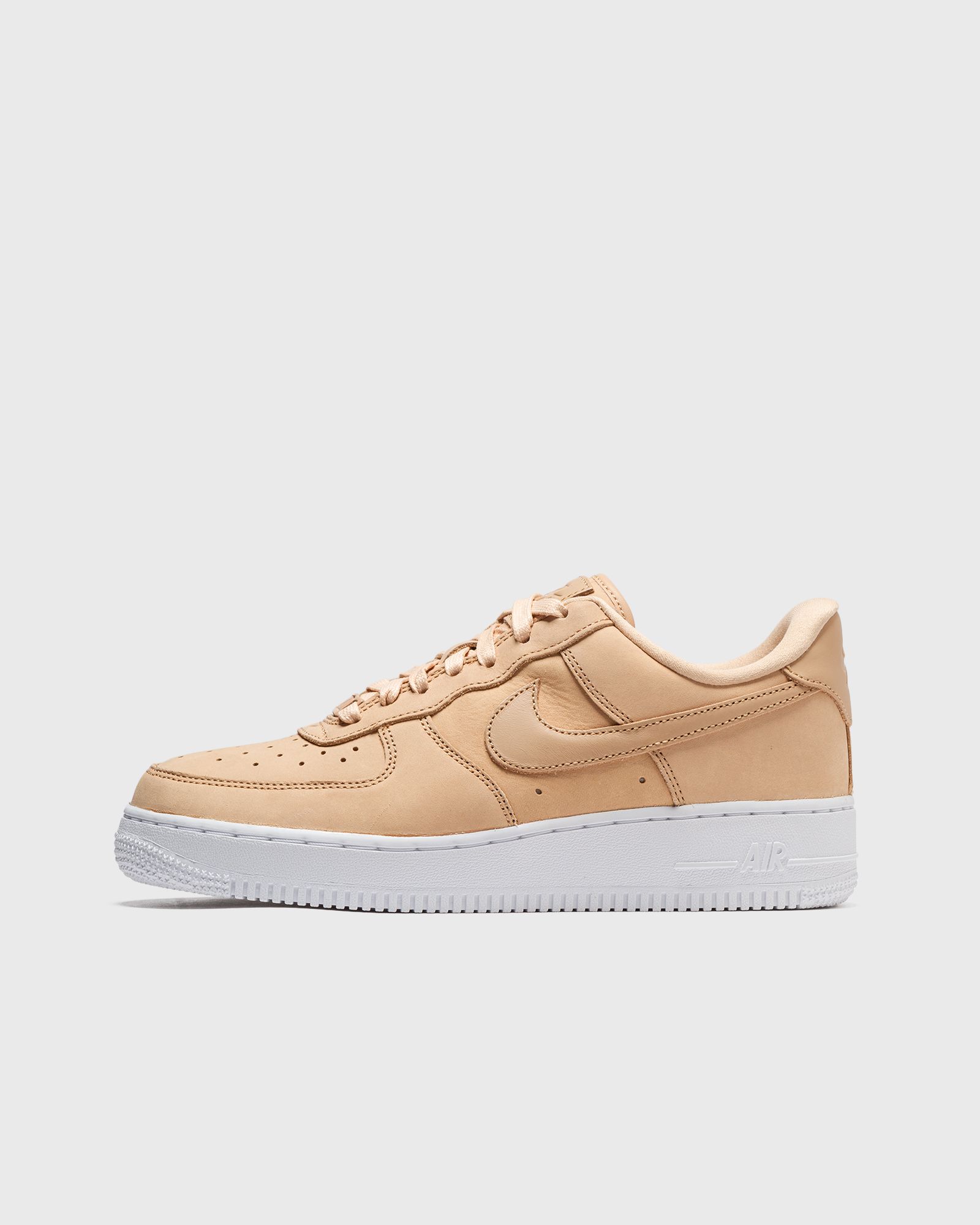
Nike
Nike WMNS Air Force 1 '07 PRMWomen's Trainers
BSTN
£50.99£129.99
Save £79.00
Free delivery
View Deal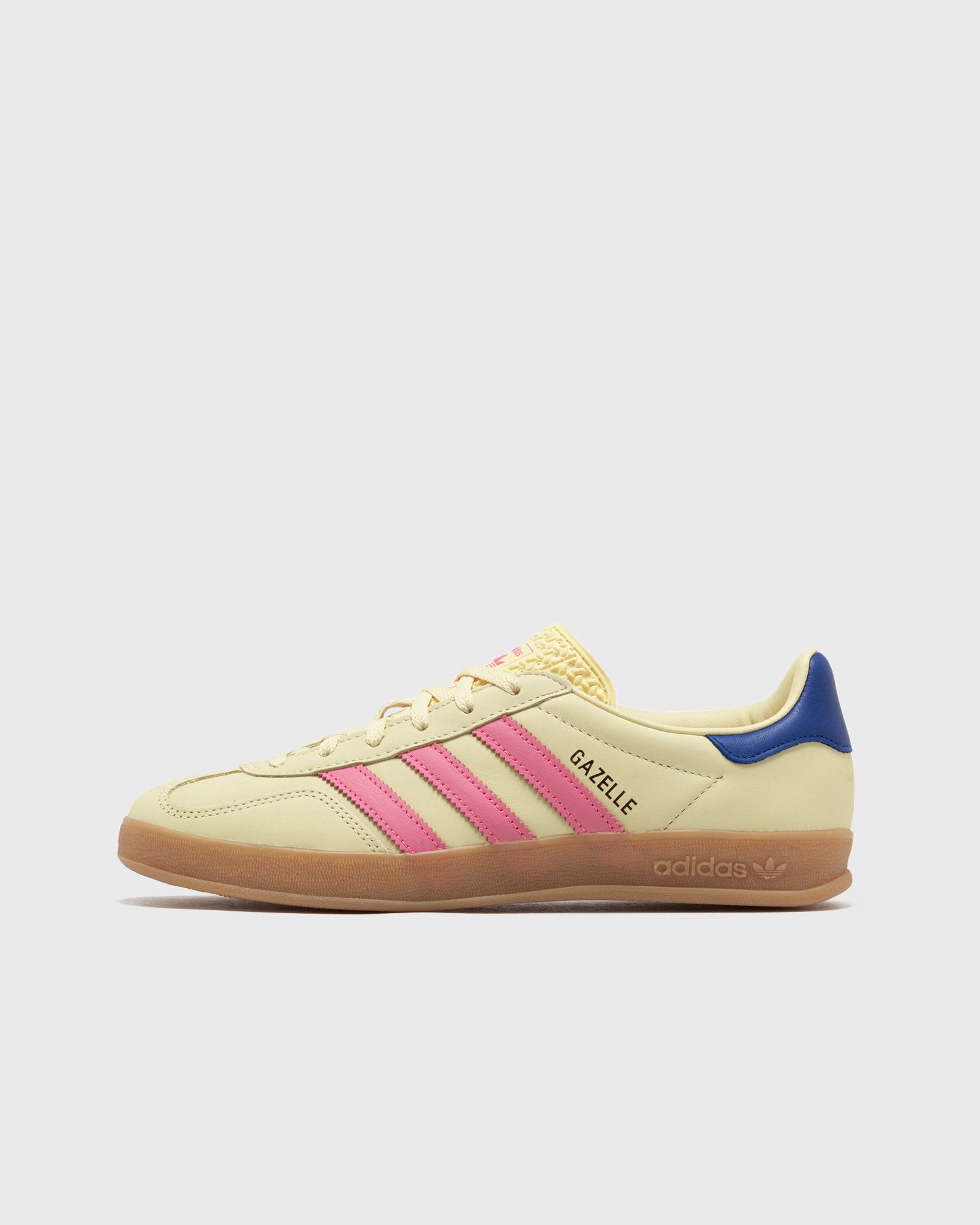
Adidas
Adidas Wmns Gazelle IndoorWomen's Trainers
BSTN
£43.99£109.99
Save £66.00
Free delivery
View Deal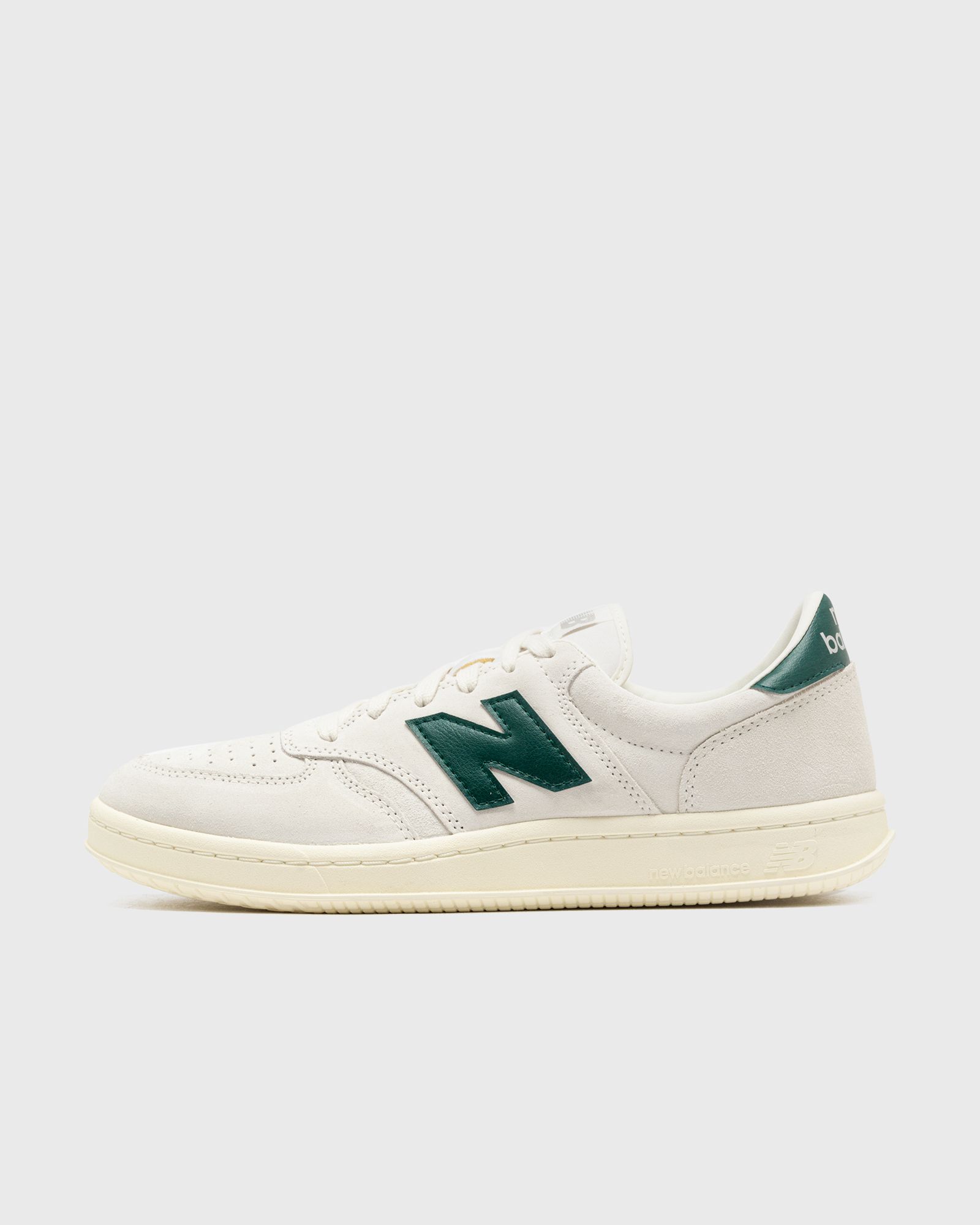
New Balance
New Balance T500Men's Trainers
BSTN
£53.99£119.99
Save £66.00
Free delivery
View DealBetween sizes, wide feet and returns
If you sit between sizes, the general advice is going up half a size for trainers - your toes want room. For wide feet, look at models known to run roomy or check for wide-fit versions (New Balance is the best brand for this). For narrow feet, lace-up models adjust better than slip-ons.
The safety net: virtually every mainstream UK trainer retailer offers free returns, so ordering two sizes and sending one back is standard practice. Try shoes indoors on carpet, keep the box and tags, and check the returns window before assuming.
Kids and juniors
Kids' sizing is its own world - infant, junior and senior sizes with their own scales, and feet that grow fast enough to make buying ahead risky. The junior trainers guide covers buying kids' trainers, including the trick of adults with small feet buying cheaper junior sizes. The tools page has the kids' conversion charts.
Frequently Asked Questions
What is a UK 9 in US and EU sizes?
A UK 9 is a US 10 (men's) and roughly EU 43. For women the US conversion is about one and a half sizes up, so a UK 6 is a US 7.5 women's. Because brands fit differently, checking your foot's centimetre measurement against the brand's official chart is more reliable than the scale conversion alone.
Do trainers run big or small?
It depends on the brand - Nike tends to run slightly small and narrow, adidas true to size but sometimes narrow, New Balance true to size with wide options, and Converse famously big so most people size down. Check the specific brand and model, since fit varies within brands too.
How do I measure my shoe size at home?
Stand on paper in the evening wearing your usual socks, trace both feet, and measure heel to longest toe in centimetres. That CM number is your real size - compare it against each brand's official chart, and fit to the bigger foot if they differ.
Should I size up or down in trainers?
Between sizes, go up - your toes want room and a slightly loose trainer beats a tight one. Size down only when a brand specifically runs big (like Converse). For wide feet, going up or choosing a wide-fit version usually works better than squeezing into your normal size.
Why do sizes differ between brands?
Brands use different lasts - the foot-shaped forms shoes are built around - so a size 9 in one brand can fit like an 8.5 or 9.5 in another. Nike runs small, Converse big, and everyone else varies. That is why your foot's centimetre measurement is the reliable constant.
Can I return trainers that do not fit?
Yes - virtually every mainstream UK trainer retailer offers free returns, so ordering two sizes and sending one back is standard practice. Try shoes indoors on carpet, keep the box and tags attached, and check the returns window before assuming.
Related Guides
Size 15 Trainers UK: Where to Buy Big Size Trainers
Struggling to find size 14 or 15 trainers in the UK? Which brands go biggest, which retailers stock them, and the resale trick that works.
Do Nike Air Force 1 Fit True to Size?
How the Air Force 1 fits in UK sizes, who should size down, and how to buy the right pair online without a return trip.
Puma Size Chart UK: Shoe Size Guide & Conversions
How Puma trainers fit - UK, US and EU size conversions, how to measure your feet, and Puma sizing vs Nike and Adidas.